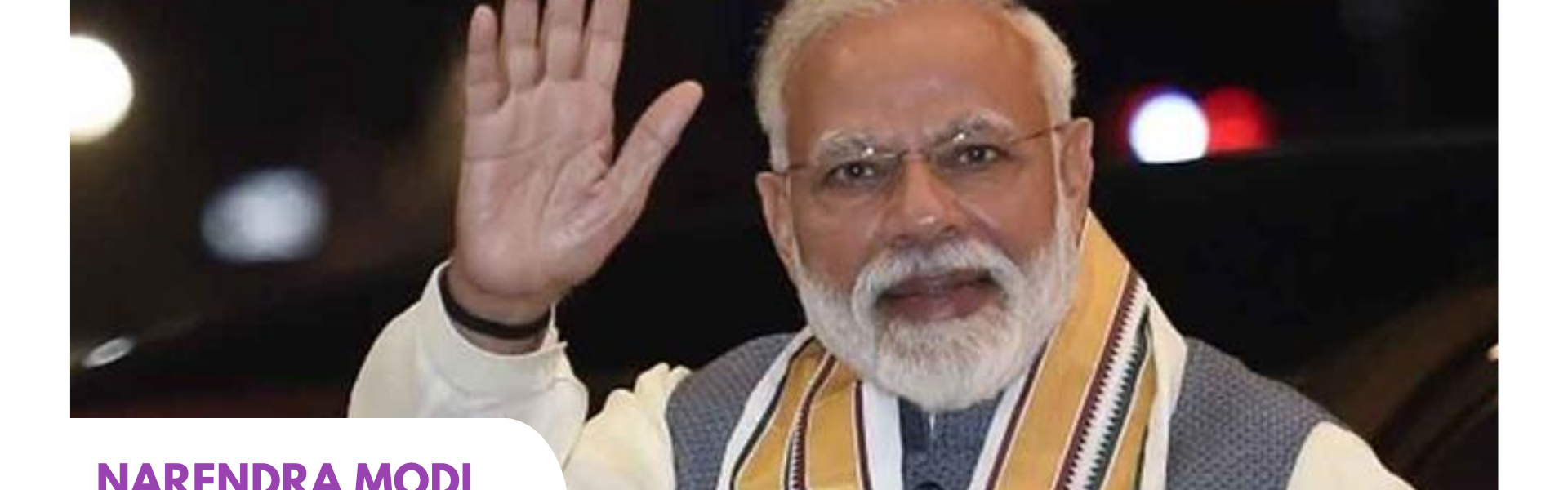

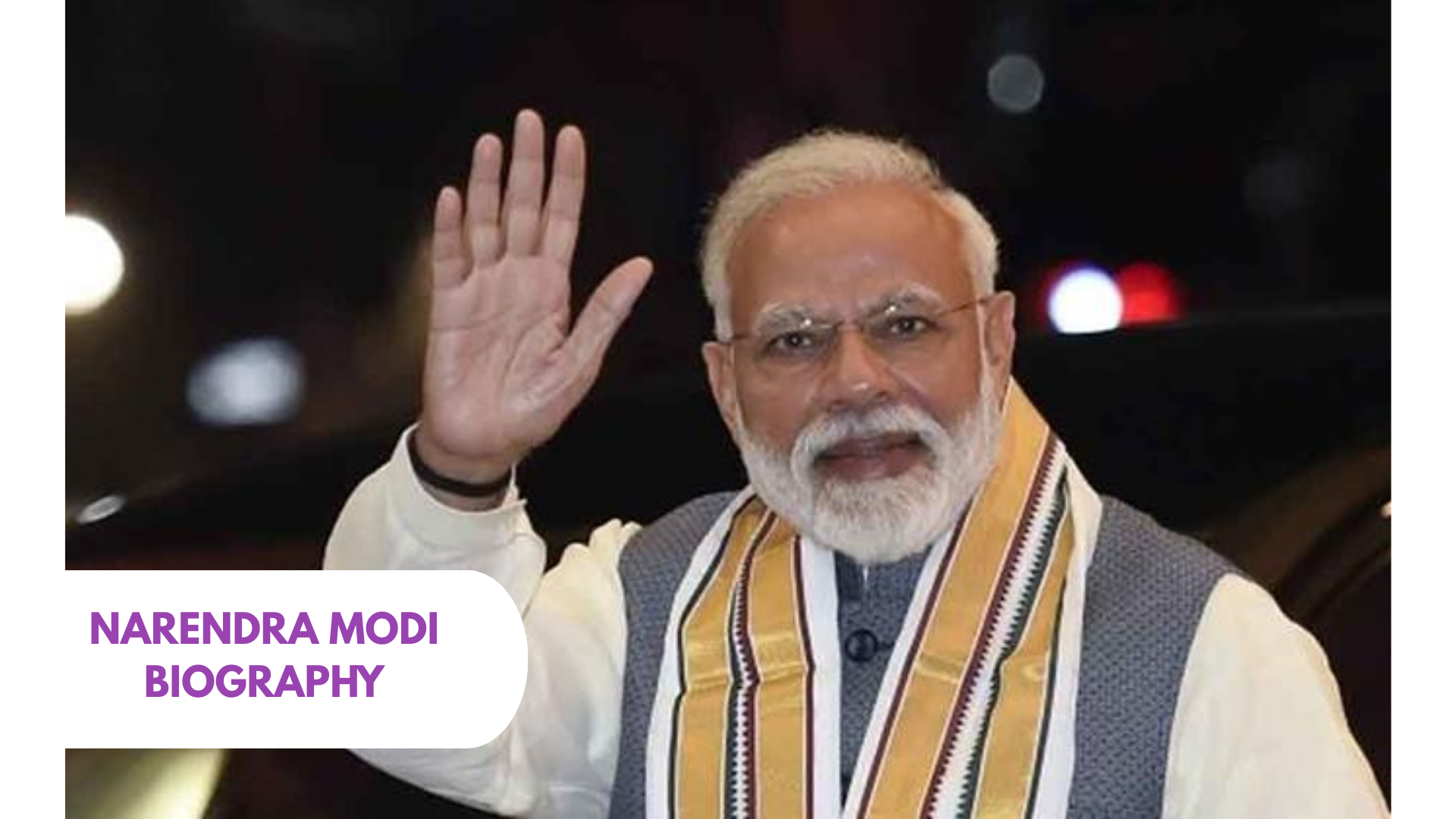
Narendra Modi is one of the most influential political leaders in modern India. Serving as the Prime Minister of India since 2014, Modi has reshaped the country’s political landscape through bold reforms, economic initiatives, and assertive foreign policy.
Known for his charismatic leadership style and strong grassroots connection, he has become a global figure in international diplomacy and governance.
Data
| Field | Information |
|---|---|
| Full Name | Narendra Damodardas Modi |
| Stage Name | Narendra Modi |
| Born | September 17, 1950 |
| Age | 75 years (as of 2026) |
| Birthplace | Vadnagar, Gujarat, India |
| Nationality | Indian |
| Occupation | Politician, Prime Minister of India |
| Religion | Hinduism |
| Parents | Damodardas Mulchand Modi (father), Heeraben Modi (mother) |
| Spouse | Jashodaben Narendrabhai Modi |
| Net Worth | Modest, declared assets include residential property and savings |
Early Life and Background
Narendra Damodardas Modi was born on September 17, 1950, in Vadnagar, a small town in Gujarat, India. He was born into a modest family belonging to the Ghanchi community. His father, Damodardas Mulchand Modi, was a tea seller, and his mother, Heeraben Modi, was a homemaker.
Growing up in humble circumstances, Modi helped his father sell tea at a railway station. This experience later became a significant narrative in his political career, symbolizing his rise from poverty to power.
From a young age, Modi showed a keen interest in debates, theater, and social service. He was deeply influenced by nationalist ideologies and joined the Rashtriya Swayamsevak Sangh (RSS) as a teenager.
Education
Narendra Modi completed his schooling in Vadnagar. Later, he earned a Bachelor’s degree in Political Science from the University of Delhi through distance learning. He also completed a Master’s degree in Political Science from Gujarat University.
His academic background in political science significantly influenced his administrative and governance style in later years.
Early Political Journey
Modi’s political career began with the Rashtriya Swayamsevak Sangh (RSS), a Hindu nationalist organization. His dedication and organizational skills helped him rise within the ranks.
Later, he joined the Bharatiya Janata Party (BJP), working behind the scenes to strengthen the party structure in Gujarat. His strategic planning abilities earned him recognition at the national level.
Chief Minister of Gujarat (2001–2014)
In 2001, Narendra Modi was appointed Chief Minister of Gujarat. He held the position for over 12 years, becoming one of the longest-serving Chief Ministers in the state’s history.
During his tenure, Gujarat witnessed rapid industrial growth, improved infrastructure, and investment-friendly policies. Initiatives such as Vibrant Gujarat Global Investor Summit helped attract foreign investments.
However, his tenure was also marked by controversy, particularly the 2002 Gujarat riots. Modi faced criticism but was later cleared by India’s Supreme Court in investigations related to the incident.
Prime Minister of India (2014–Present)
In 2014, Narendra Modi led the Bharatiya Janata Party to a historic victory in the general elections, becoming the 14th Prime Minister of India. He was re-elected in 2019 with an even larger mandate.
Major Policies and Reforms
1. Make in India
An initiative aimed at encouraging manufacturing and boosting foreign investment.
2. Digital India
A campaign to improve online infrastructure and increase internet connectivity.
3. Swachh Bharat Abhiyan
A nationwide cleanliness campaign to eliminate open defecation and improve sanitation.
4. Demonetization (2016)
A bold move to withdraw high-denomination currency notes to curb black money and corruption.
5. Goods and Services Tax (GST)
Implementation of a unified tax system across India.
Foreign Policy and Global Influence
Narendra Modi has significantly enhanced India’s global standing. He strengthened ties with major world powers including the United States, Japan, and European nations.
He has participated actively in international forums such as the United Nations and G20 summits, positioning India as a key global player.
His diaspora outreach programs have been widely recognized, with massive gatherings of Indian communities abroad.
Awards and Recognition
Narendra Modi has received several prestigious international awards and honors, including:
-
Order of Zayed (UAE)
-
Order of St. Andrew (Russia)
-
Legion of Merit (USA)
These awards recognize his contribution to strengthening diplomatic relations between India and other nations.
Leadership Style
Narendra Modi is known for his strong, centralized leadership style. He is highly active on social media, making him one of the most followed political leaders globally.
His communication skills, public speaking ability, and use of digital platforms have played a major role in connecting with the youth population.
Personal Life
Narendra Modi maintains a disciplined lifestyle. He practices yoga regularly and follows a vegetarian diet. Despite being married to Jashodaben Modi in his early life, he has largely remained separate and focused on his political journey.
He is known for his simple living and high thinking philosophy.
Controversies and Criticism
Like any prominent leader, Narendra Modi has faced criticism. Issues such as demonetization’s economic impact, unemployment rates, and religious polarization have been debated widely.
However, his supporters argue that his reforms have laid the foundation for long-term economic growth and national security.
Net Worth
Narendra Modi’s declared assets include residential property in Gujarat and savings. Compared to many global leaders, his personal wealth is relatively modest.
Legacy and Impact
Narendra Modi’s leadership has redefined Indian politics. He shifted campaign strategies towards digital engagement and centralized governance.
His focus on nationalism, economic reform, and global diplomacy continues to shape India’s future trajectory.
Whether admired or criticized, Narendra Modi remains one of the most impactful political figures of the 21st century.
Frequently Asked Questions (FAQs)
1. When was Narendra Modi born?
Narendra Modi was born on September 17, 1950.
2. Where is Narendra Modi from?
He is from Vadnagar, Gujarat, India.
3. When did Narendra Modi become Prime Minister?
He became Prime Minister in 2014 and was re-elected in 2019.
4. What are Narendra Modi’s major achievements?
Key achievements include Make in India, Digital India, GST implementation, and Swachh Bharat Abhiyan.
5. What is Narendra Modi’s educational qualification?
He holds a Master’s degree in Political Science from Gujarat University.
Conclusion
The biography of Narendra Modi reflects an extraordinary journey from humble beginnings to becoming the Prime Minister of the world’s largest democracy. His tenure has been marked by transformative reforms, bold decisions, and a vision of a self-reliant India.
As India continues to evolve on the global stage, Narendra Modi’s leadership will undoubtedly remain a defining chapter in the nation’s political history.