

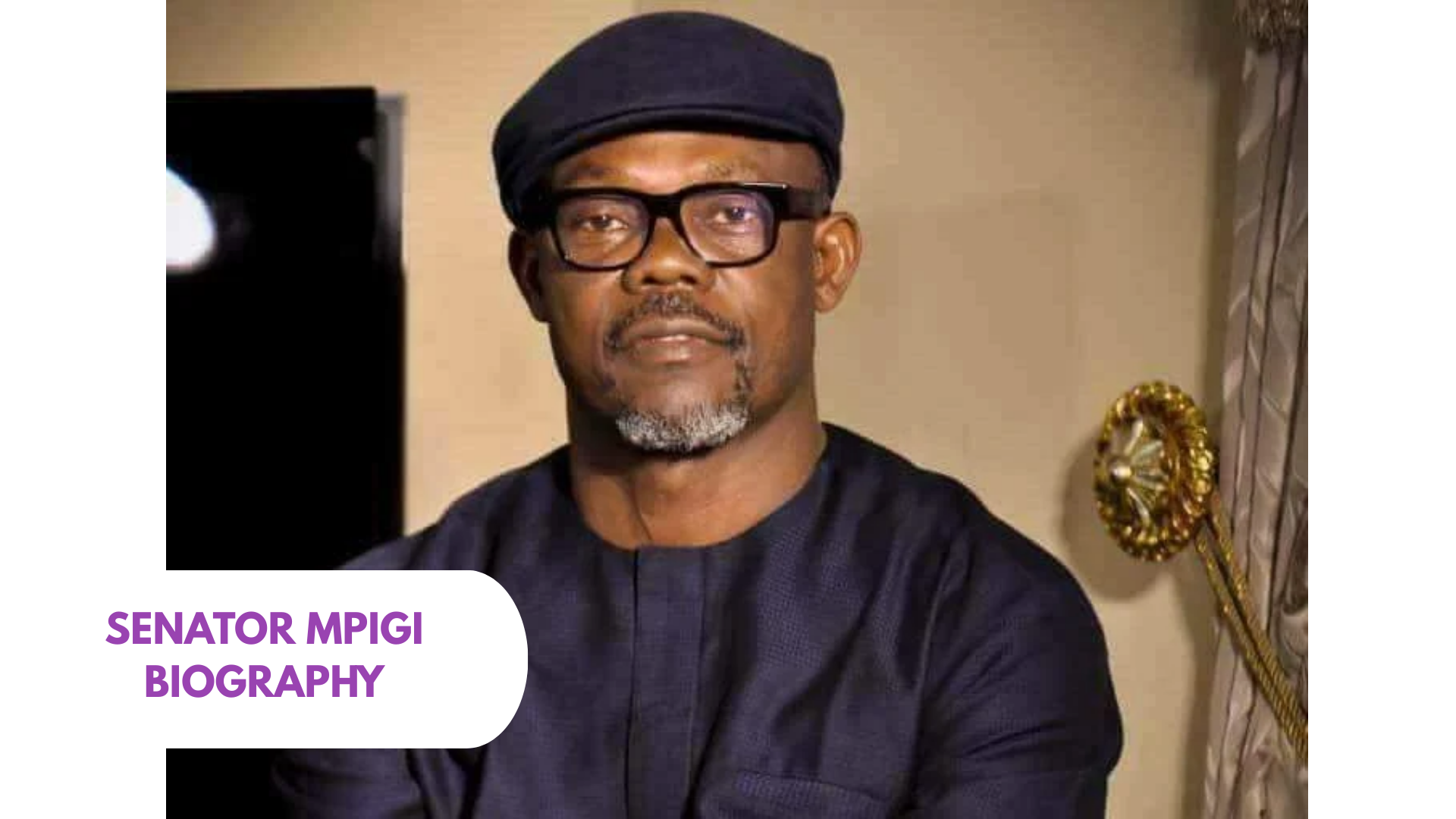
Senator Barinada Mpigi was a respected Nigerian politician who left an indelible mark on the political landscape of Nigeria through his decades-long service as a legislator and public leader.
He is best known for representing the Rivers South‑East Senatorial District in the National Assembly (Nigeria) and chairing influential committees that drove development agendas in his region.
Tragically, he passed away at the age of 64 on February 19, 2026, after a brief illness, sparking widespread mourning from colleagues, political allies, and citizens alike.
Data
| Profile Data | |
|---|---|
| Full Name | Barinada Mpigi |
| Born | June 23, 1961 |
| Age | 64 years (at the time of death) |
| Death | February 19, 2026 |
| Birthplace | Tai Local Government Area, Rivers State, Nigeria |
| State of Origin | Rivers State |
| Nationality | Nigerian |
| Occupation | Politician, Legislator |
| Religion | Christianity |
Early Life & Background
Barinada Barinada Mpigi was born on June 23, 1961, in Rivers State, Nigeria. His upbringing in Tai Local Government Area deeply influenced his passion for community service and development.
Though public records do not extensively detail his childhood or family upbringing, what is clear is that Mpigi sought education and public engagement from an early age. His work ethic and dedication led him to pursue public service as a career, rising through political ranks from local government to national prominence.
Educational Journey
Detailed verified information about Senator Mpigi’s formal education is limited in public sources, but available reports show he completed secondary schooling before entering political and civil service arenas where he gained recognition.
His foundational experience and understanding of grassroots challenges helped shape his later legislative priorities, especially in infrastructure, empowerment, and community development.
Political Career: From Representative to Senator
House of Representatives (2011–2019)
Mpigi began his federal legislative career in the Nigerian House of Representatives after being first elected in 2011 to represent the Eleme/Tai/Oyigbo Federal Constituency. His tenure was marked by consistent advocacy for improved infrastructure, rural development, and constituency empowerment. He won re-election in 2016, solidifying his reputation as a leader committed to public service.
Senate Career (2019–2026)
In 2019, Mpigi transitioned to the Senate of Nigeria after winning election to represent Rivers South-East Senatorial District. His peers elected him Chairman of the Senate Committee on Works, a powerful position that oversaw development and federal works initiatives across the nation.
He was re-elected in the 2023 general elections, demonstrating strong support from his constituents. During his senatorial career, he also chaired a joint Senate committee on crude oil theft in the Niger Delta, reflecting his commitment to addressing security and economic challenges in resource-rich regions.
Major Legislative Achievements
Senator Mpigi’s tenure in both chambers saw numerous initiatives that aimed to improve living standards and economic prospects in his home district and beyond:
1. Infrastructure Development
- Oversaw federal road projects across the Niger Delta region.
- Advocated for improved rural road connectivity and resilience against environmental degradation.
2. Advocacy Against Oil Theft
-
Chaired a high-profile joint parliamentary committee to tackle oil theft and strengthen security in the Niger Delta, a persistent challenge to Nigeria’s economy.
3. Constituency Empowerment
- Championed empowerment programs targeting youth employment.
- Supported educational development initiatives and scholarship grants for underprivileged students.
4. Federal Works Oversight
-
As Chairman of the Senate Committee on Works, he played a pivotal role in overseeing federal infrastructure projects, including road construction and maintenance nationwide.
Political Influence & Party Alignments
Throughout his career, Mpigi was a key figure in Rivers State politics, particularly within the Peoples Democratic Party (PDP) before later joining the All Progressives Congress (APC) alongside other federal lawmakers. His defection reflected shifting political alliances within national politics.
He was known as a grassroots politician with the ability to maintain strong constituent relationships, helped by his proactive stance on local development issues and socio-economic empowerment.
Personal Characteristics & Leadership Style
Senator Mpigi was widely described by colleagues and constituents as:
- Dedicated and committed
- Grassroots-oriented
- Humble and accessible
- Focused on community development and public welfare
These qualities earned him widespread respect across ethnic and political divides, particularly in the Niger Delta region.
Death & Legacy
On February 19, 2026, Senator Barinada Mpigi passed away at the age of 64 after a brief illness, bringing an end to a distinguished public service career. His death triggered tributes from political leaders including Siminalayi Fubara, Governor of Rivers State, who described him as a “consummate politician” and a major contributor to state and national politics.
His passing left a leadership void in the Rivers South-East Senatorial District, but his contributions continue to shape political and community development initiatives in Nigeria.
Frequently Asked Questions (FAQs)
1. Who was Senator Barinada Mpigi?
Senator Barinada Mpigi was a Nigerian politician and federal lawmaker who represented Rivers South-East Senatorial District until his death in 2026.
2. What roles did he serve in government?
He served in the House of Representatives (2011–2019) and later in the Senate (2019–2026), including as Chairman of the Senate Committee on Works.
3. What were his major legislative achievements?
Mpigi was known for infrastructure advocacy, tackling oil theft, and empowering local communities.
4. When did he die?
Senator Mpigi died on February 19, 2026, at age 64.
5. What is his legacy?
His legacy includes infrastructure oversight, community empowerment, and political leadership that bridged grassroots representation with national governance.
Conclusion
Senator Barinada Mpigi’s life and career represent a powerful narrative of public service, resilience, and community-focused leadership in Nigeria’s political sphere. From his early days in Rivers State to his impactful legislative work at the national level, Mpigi dedicated his life to improving infrastructure, empowering citizens, and advocating for equitable governance. Though he passed away in 2026, his legacy continues to influence discussions on politics and development in the Niger Delta and beyond